When you pull up to a gas pump and see E85 next to regular gasoline, you're looking at two very different fuels. While both will power an internal combustion engine, their composition, properties, and performance characteristics vary significantly. Understanding these differences can help you make informed decisions about which fuel is right for your vehicle.
What's in Your Fuel? Breaking Down the Composition
Regular Gasoline (E10)
Most gasoline sold in the United States isn't pure gasoline - it's actually already an ethanol blend. When you fill up with "regular" gas, you're typically getting E10, which consists of:
- 90% gasoline (petroleum-derived hydrocarbons)
- 10% ethanol (corn-based alcohol fuel)
The ethanol in regular gas serves several purposes: increases octane rating, adds oxygen to the fuel for cleaner combustion, reduces emissions, and stretches the gasoline supply with renewable content.
E85 (Flex Fuel)
E85 is an ethanol-heavy blend with a dramatically different composition. Despite its name suggesting 85% ethanol, the actual blend varies:
- 51% to 83% ethanol (depending on season and region)
- 17% to 49% gasoline
Why the Ethanol Content Varies
The variation in E85's ethanol content isn't arbitrary - it's carefully calibrated for different conditions:
Summer Blends (Higher Ethanol): Contain 70-83% ethanol, easier to vaporize in warm weather, maximum environmental benefits, and better performance characteristics.
Winter Blends (Lower Ethanol): Contain 51-70% ethanol, lower ethanol content aids cold-weather starting, and prevents performance issues in freezing temperatures.
Chemical Properties: How E85 Differs from Gasoline
Molecular Structure
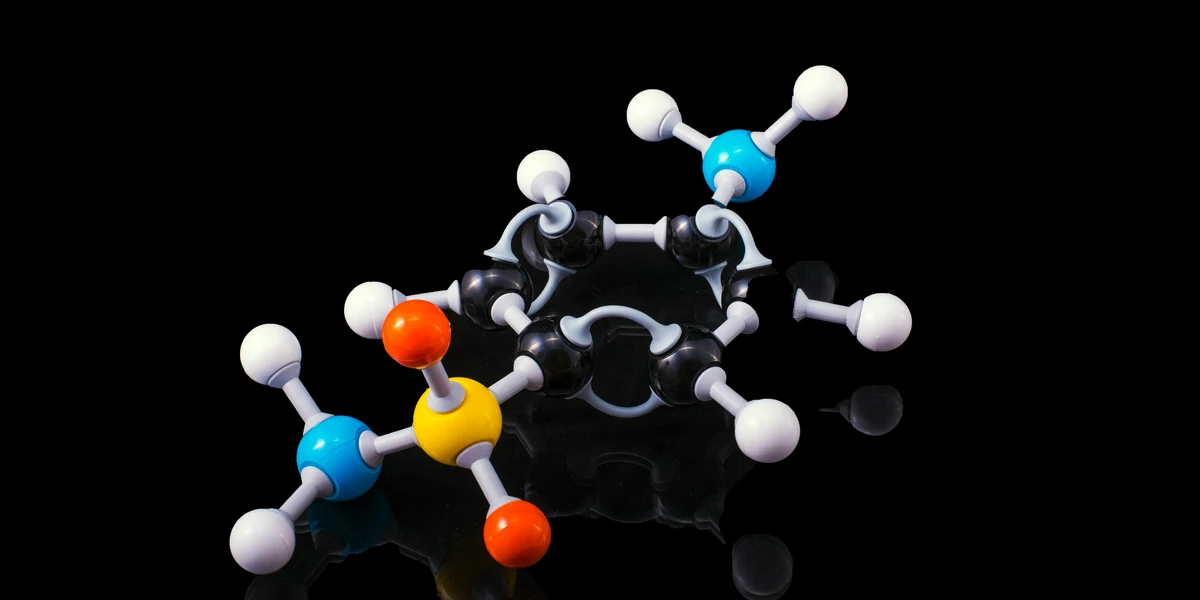
Ethanol (C2H5OH): An alcohol with a hydroxyl (-OH) group, contains oxygen atoms within the molecule, and is more polar than gasoline hydrocarbons.
Gasoline: A mixture of hydrocarbons (primarily C4-C12), no oxygen in molecular structure, and is a nonpolar liquid.
This fundamental chemical difference creates cascading effects on fuel properties and performance.
Energy Content (BTU)
One of the most important differences is energy density:
Regular Gasoline (E10): 114,000-120,000 BTUs per gallon. Higher energy density means more power per gallon.
E85: 83,950-95,450 BTUs per gallon. Approximately 75% of gasoline's energy content. Lower energy density requires more fuel for same power.
This difference explains the MPG reduction - you need to burn more E85 to generate the same amount of energy.
Octane Rating
| Fuel Type | Octane Rating |
|---|---|
| Regular Gasoline | 87 |
| Mid-Grade Gasoline | 89-90 |
| Premium Gasoline | 91-93 |
| E85 | 100-105 |
E85's high octane allows it to be used in higher-compression engines, which tend to produce more power per unit of displacement than gasoline counterparts. The high octane is due to ethanol's molecular structure - the oxygen atom and chemical bonds make it more resistant to premature ignition (knock).
Stoichiometric Air-Fuel Ratio
Gasoline: 14.7:1 (14.7 parts air to 1 part fuel)
Ethanol: 9.0:1 (9 parts air to 1 part fuel)
This is why flex fuel vehicles need larger fuel injectors - they must deliver about 34% more fuel volume when running on E85 compared to gasoline.
Physical Properties and Behavior
Vapor Pressure and Volatility
E10 Gasoline: More volatile (evaporates more easily), higher vapor pressure, more evaporative emissions, and easier cold starting.
E85: Less volatile than gasoline, lower vapor pressure, fewer evaporative emissions (better for air quality), but can be harder to start in cold weather.
Corrosiveness
Gasoline: Relatively non-corrosive to metals, compatible with standard rubber and plastics, stable in traditional fuel systems.
Ethanol: More corrosive, especially to certain metals, can degrade some rubber hoses and gaskets, requires ethanol-resistant materials (hence FFV modifications).
This is why flex fuel vehicles have stainless steel fuel lines, sometimes lined with plastic, and stainless-steel fuel tanks in place of traditional tinplate tanks.
Solvent Properties
Ethanol's solvent properties mean E85 cleans your fuel system while you drive. This is generally beneficial, though it can initially dislodge accumulated deposits in older vehicles, potentially clogging filters.
Combustion Characteristics
Flame Temperature
Gasoline: Higher combustion temperature, more heat stress on engine components.
Ethanol: Cooler burning (lower flame temperature), less thermal stress, better for turbocharged applications.
Ethanol requires lower combustion temperatures and creates a thermodynamic cooling effect. This cooling benefit helps engines run cooler and can prevent valve burning, extending engine life.
Emissions Profile
Gasoline (E10) Emissions: Higher carbon monoxide, contains benzene (carcinogen), more aromatic hydrocarbons (PAHs), higher greenhouse gas impact, more particulate matter.
E85 Emissions: 46% lower CO2-equivalent greenhouse gases, no benzene content, lower carbon monoxide, cleaner burning overall.
E85 provides significant reductions in emissions of many harmful toxics, including benzene, a known human carcinogen.
Performance Implications
Power Output
Despite lower energy content, E85 can produce more power than gasoline when engines are properly optimized:
- Higher octane allows more aggressive ignition timing
- Cooling effect allows higher compression or boost
- Built-in oxygen improves combustion efficiency
- Can run richer air-fuel ratios safely
Some vehicles produce 10-20% more horsepower on E85 than gasoline - the Koenigsegg CCXR, for example, produces 20% more horsepower on E85 than on gasoline.
Fuel Economy
| Fuel Type | MPG Impact |
|---|---|
| E10 Gasoline | Baseline (100%) |
| E15 | 4-5% lower MPG |
| E85 | 15-27% lower MPG |
Cost and Availability
Production Costs
Gasoline: Derived from crude oil refining, price tied to global oil markets, dependent on geopolitical factors.
Ethanol: Made from domestic corn (primarily in U.S.), price tied to agricultural commodity markets, benefits from federal subsidies and tax credits.
Infrastructure
E10 Gasoline: Available at nearly all gas stations, standard infrastructure nationwide.
E85: Available at approximately 3,900-4,500 stations, concentrated in Midwest corn-growing states, requires specialized pumps and storage, limited in coastal and New England regions.
Which Fuel Is Right for Your Vehicle?
For Non-Flex Fuel Vehicles:
- E0 or E10: Standard choice, widely available
- E15: Available option for 2001+ vehicles
- E85: Never use - will cause problems
For Flex Fuel Vehicles:
- Can use any blend from E0 to E85
- E85 offers environmental and potentially performance benefits
- Gasoline provides better fuel economy
- Choice depends on price, availability, and priorities
The Bottom Line: Two Fuels, Different Purposes
E85 and regular gasoline are fundamentally different fuels with distinct characteristics:
E85 Advantages: Much higher octane (100-105 vs. 87-93), cleaner emissions (46% less GHG), renewable domestic production, excellent engine cleaning properties, cooler combustion, and potential for more power.
E85 Disadvantages: 25% lower energy density, 15-27% worse fuel economy, limited availability, only for flex fuel vehicles, and cold-start challenges.
Regular Gasoline Advantages: Higher energy density, better fuel economy, universal availability, works in all gasoline vehicles, easier cold starting, and longer driving range per tank.
Understanding these chemical and practical differences helps explain why E85 isn't simply a "cheaper substitute" for gasoline - it's a distinctly different fuel with its own characteristics, requiring specially designed vehicles to use it safely and effectively.
Find E85 Stations Near You
Ready to try E85 in your flex fuel vehicle? Use our free station locator to find E85 near you.
Find E85 Stations